Diagnostics · instrument guide
Every dental examination starts with the same two instruments: a mouth mirror to see and an explorer to feel. Both come in more versions than most people realise. This guide explains the mirror types and sizes, the explorer numbers, and which to choose for which job.
The 4 basic dental instruments are the mouth mirror, explorer, periodontal probe and college tweezer. Mirrors come as plain, front-surface, HD and micro mirrors in sizes No. 3, 4 and 5 (No. 4 is the everyday size). The most used explorer is the No. 23 shepherd's hook; No. 17, 2A and 3A reach interproximal and subgingival areas.
What are the 4 basic dental instruments?
The basic examination set is on every tray, from a check-up to a surgical procedure:
| Instrument | What it does |
|---|---|
| Mouth mirror | Indirect vision, reflecting light and retracting the cheek and tongue |
| Explorer | Feeling caries, calculus and restoration margins by touch |
| Periodontal probe | Measuring pocket depth and bleeding in millimetres (probes guide) |
| College tweezer | Placing and removing cotton rolls, pellets and small items |
Many clinics combine the explorer and probe on one double-ended instrument to keep the tray small. See the full list in dental instruments names list.
Mouth mirrors
Types of dental mirrors
Mirror heads differ in where the reflective layer sits, how bright the image is and how big the head is.
| Type | How it works | Best for |
|---|---|---|
| Plain (rear-surface) | Reflective layer behind the glass; can show a faint double image | Everyday use, retraction, economical |
| Front-surface | Reflective layer on the front; sharp image with no ghosting | Precise diagnosis and restorative work |
| HD | Front-surface mirror with a brighter, high-definition coating | Maximum brightness and contrast |
| Micro mirror | Very small, thin head | Endodontics and work under the microscope |
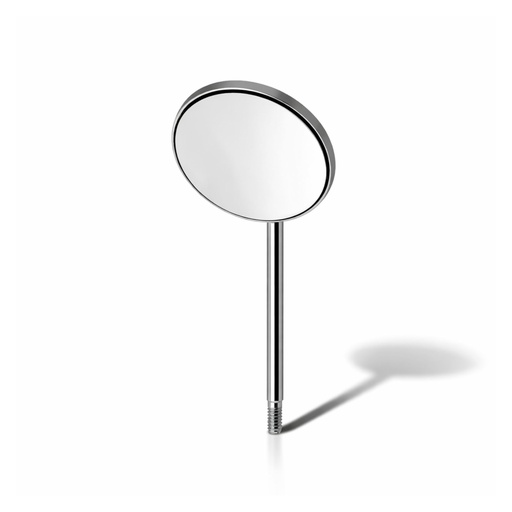 Plain mouth mirror No. 4Rear-surface mirrorEveryday indirect vision and retraction.View instrument →
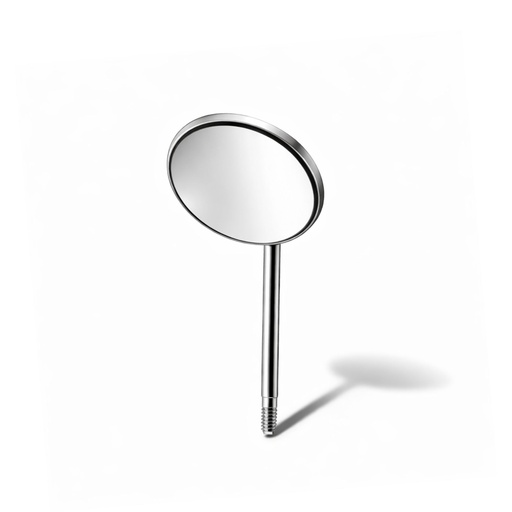 Front-surface mirror No. 4Ghost-free mirrorSharp, single image for precise diagnosis.View instrument →
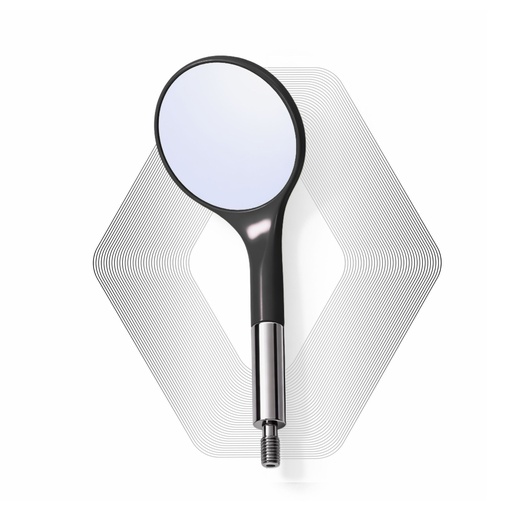 HD mouth mirror No. 4High-definition mirrorAnti-fog, brighter image in four colours.View instrument →
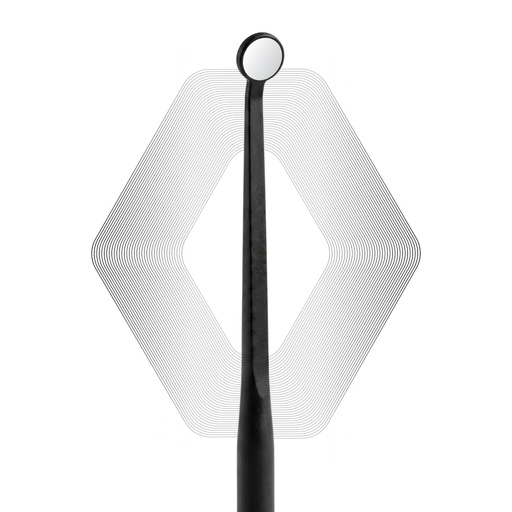 Microscopic HD mirrorMicro mirror, 0.7 mmUltra-thin head for work under the microscope.View instrument →
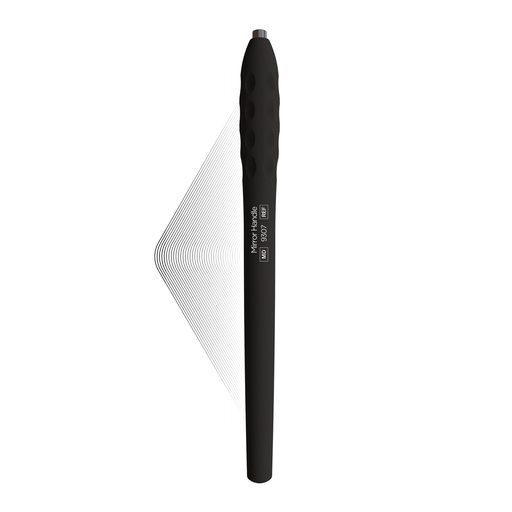 ErgoLite mirror handleMirror handleEconomical, colour-coded handle for screw-in mirror heads.View instrument →
What size mouth mirror is standard?
Mirror heads are numbered by size. The number is printed on the box, not the millimetres, so compare within one system.
| Size | Use |
|---|---|
| No. 3 | Smaller head for children, tight posterior areas and limited opening |
| No. 4 | The standard everyday size in most clinics |
| No. 5 | Larger head for more retraction and a wider field of view |
Check the connection: mirror heads screw into the handle with a cone socket or a simple stem (SS). The two are not interchangeable, so match the head to your handle before ordering.
Explorers
Types of dental explorers
Explorers are thin, flexible and sharp so you can feel what you cannot see. The number describes the shape of the tip.
| Explorer | Shape | Typical use |
|---|---|---|
| No. 23 (shepherd's hook) | Hook-shaped tip | Occlusal caries, restoration margins and supragingival calculus |
| No. 17 | Short tip bent at a right angle | Interproximal surfaces and shallow subgingival areas |
| No. 2A (pigtail) | Curved, paired tip | Proximal surfaces and margins |
| No. 3A | Long, curved tip | Subgingival calculus and root surfaces |
| Double-ended (e.g. 17-23) | Two patterns on one handle | Covers occlusal and interproximal work with one instrument |
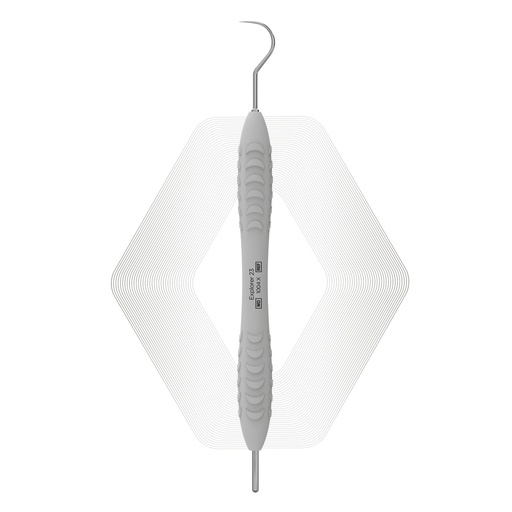 Explorer 23Shepherd's hookThe everyday explorer for caries and margins.View instrument →
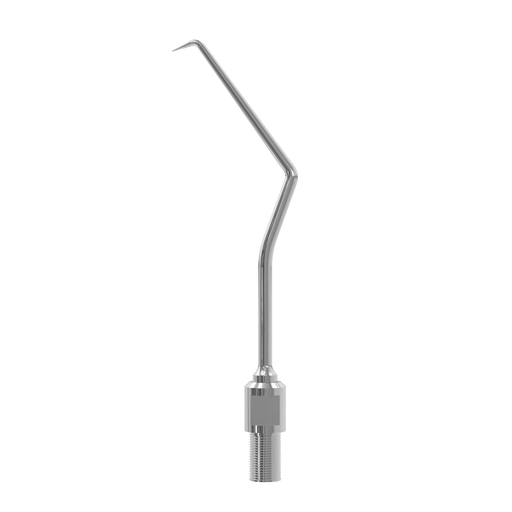 Explorer 17Right-angle tipInterproximal and shallow subgingival areas.View instrument →
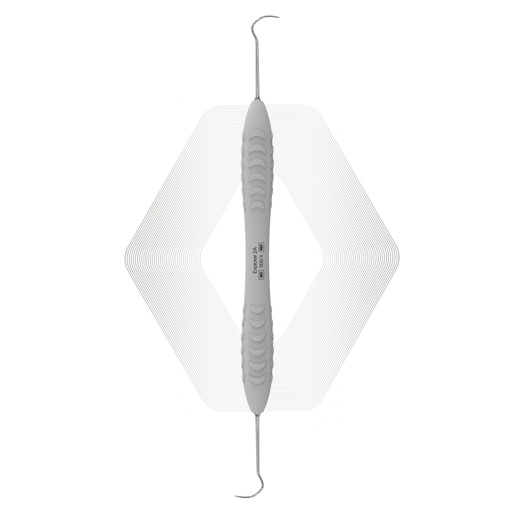 Explorer 2APigtail explorerCurved tip for proximal surfaces.View instrument →
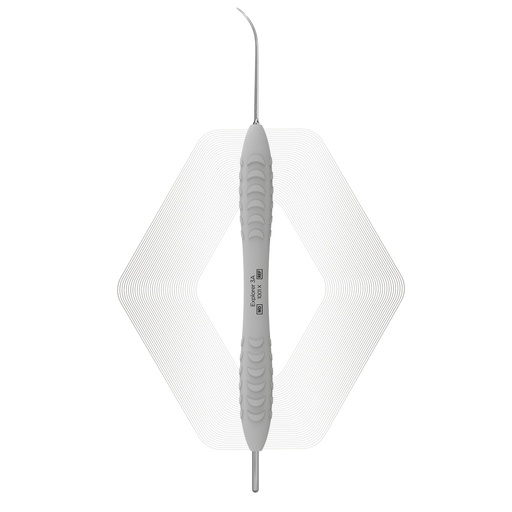 Explorer 3ALong curved explorerSubgingival calculus detection.View instrument →
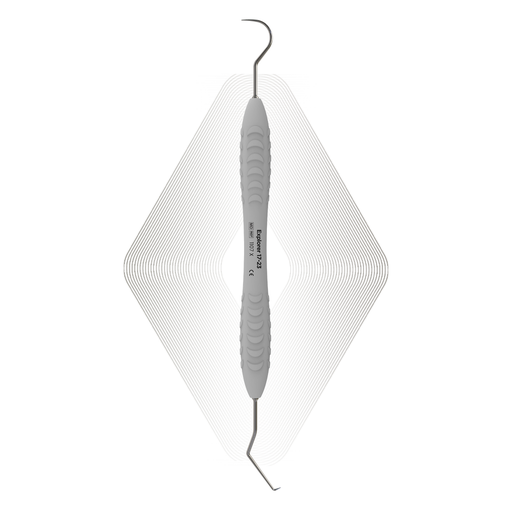 Explorer 17-23Double-ended explorerTwo patterns on one handle.View instrument →
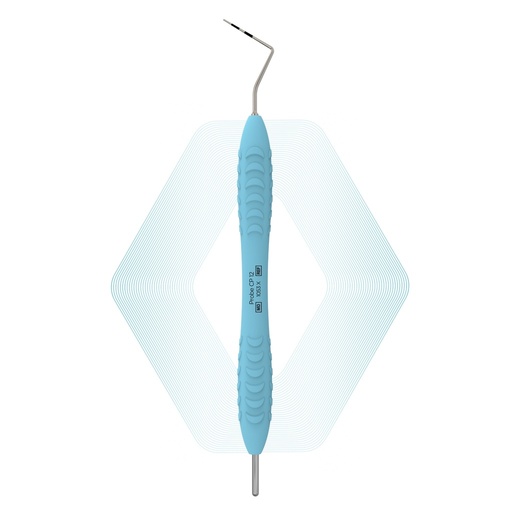 Probe CP-12Periodontal probePocket depth in millimetres, often paired with an explorer.View instrument →
Build your examination tray
Mirrors, handles, explorers and probes on ErgoX®, ErgoX® Plus, ErgoLite and ErgoSteel handles, or ready as a kit.
Questions
Frequently asked questions
What are the 4 basic dental instruments?
The mouth mirror, the explorer, the periodontal probe and the college tweezer (cotton pliers). Together they form the basic examination set used at every visit.
What are the different types of dental mirrors?
Plain (rear-surface) mirrors, front-surface mirrors that give a sharp image without ghosting, HD mirrors with a brighter coating, and micro mirrors for endodontics and microscope work.
What size mouth mirror is most common?
No. 4 is the standard everyday size. No. 5 is larger for more retraction and a wider view; No. 3 is smaller for children and tight areas.
What are the types of dental explorers?
The most common is the No. 23 shepherd's hook for caries and margins. The No. 17 and 2A pigtail reach interproximal surfaces, and the long 3A is used for subgingival calculus. Double-ended explorers combine two patterns.
What is the difference between a front-surface and a plain mirror?
On a plain mirror the reflective layer is behind the glass, which can create a faint double image. On a front-surface mirror it is on top of the glass, so the image is sharper, but the surface needs more careful handling.