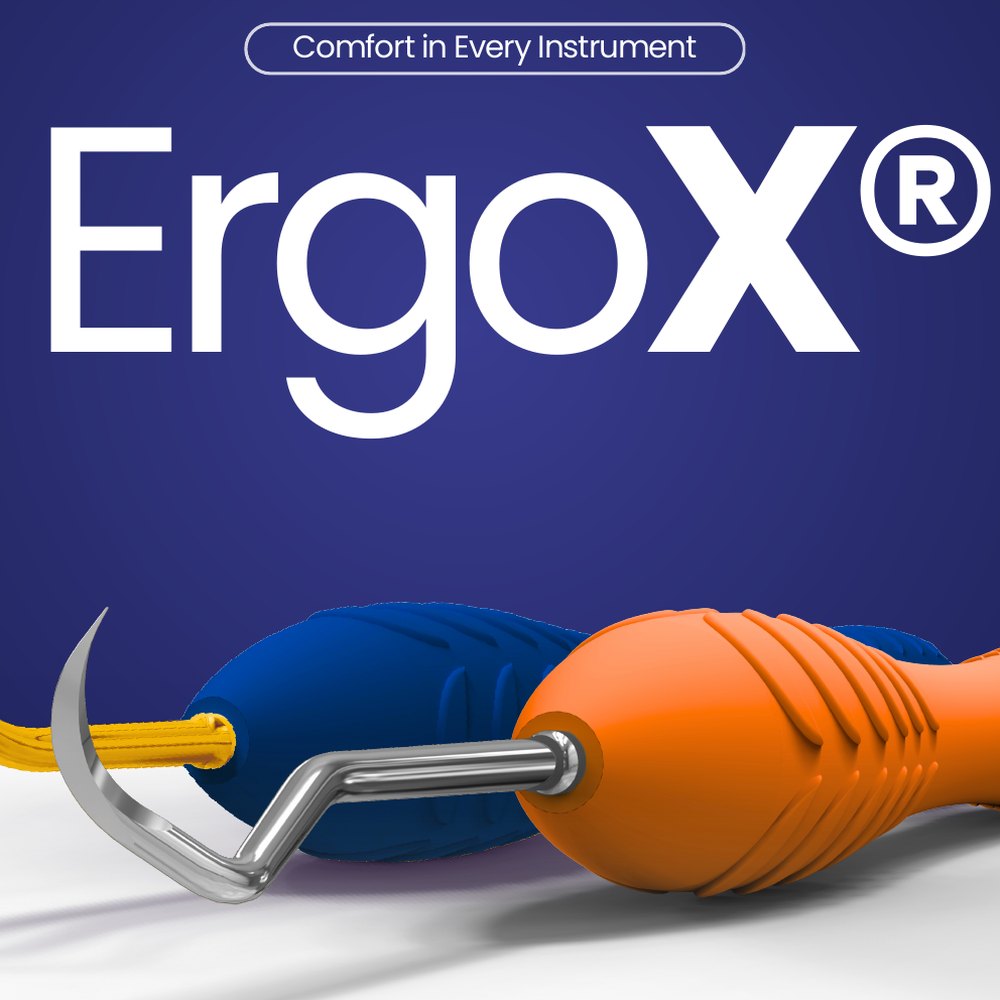
01 · Diagnostics · ErgoDenta catalog 2026
Diagnostic Instruments
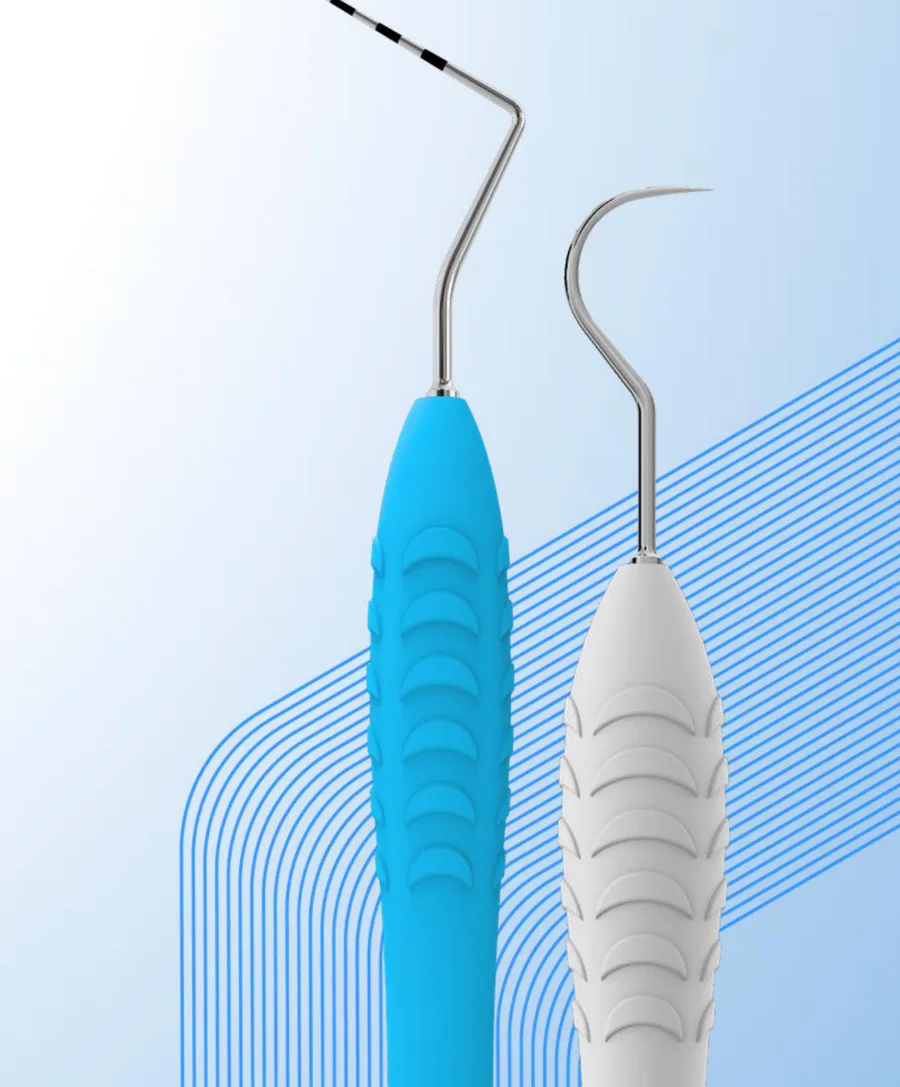
Mirror handles, mouth mirrors, explorers, periodontal probes and diagnostic kits for everyday examinations — designed for a consistent, comfortable feel during routine checks and longer appointments alike.
 ↓
↓
The examination
The right instrument for every step
Every patient visit starts with the same few instruments. Each has one job — to see, to feel or to measure — and the right working end makes that job faster and more reliable.
- 01See
Look
A clear mirror image and good light reflection let you inspect every surface and retract cheek and tongue.
- 02Hold
Choose the handle
The mirror handle is in your hand all day — light, colour-coded ErgoLite and ErgoX® handles take the strain out of long sessions.
- 03Feel
Explore
A fine, sharp explorer detects calculus, caries margins and defective restorations by touch.
- 04Measure
Probe
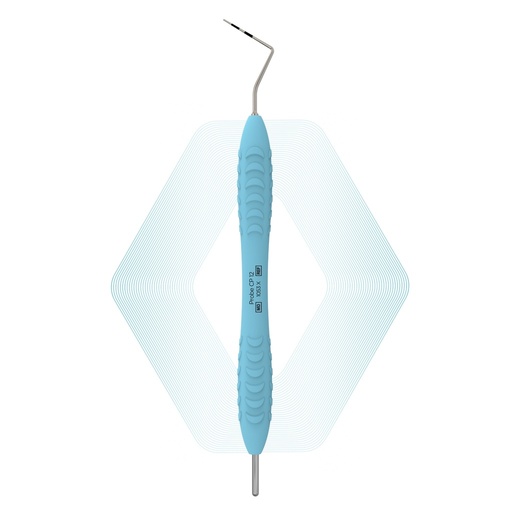
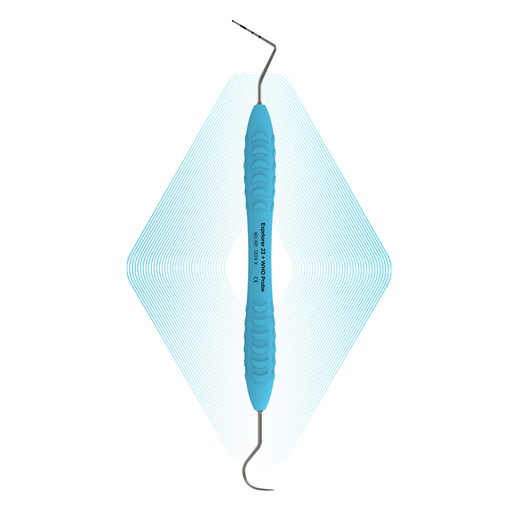
Millimetre-marked probes record pocket depth and attachment loss; the WHO ball-end probe screens with BPE/CPI.
- 05Combine
Double-ended & kits
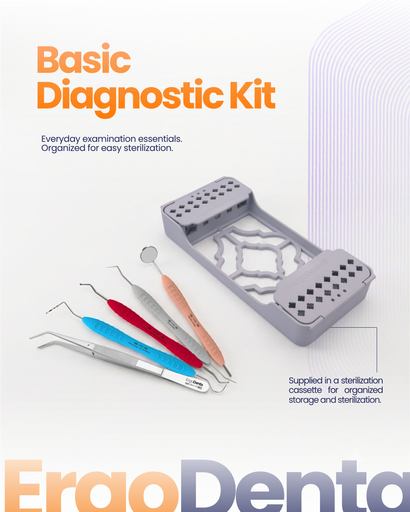
Explorer and probe on one handle — or a complete diagnostic kit — keeps the tray simple.
Shop by instrument type
Diagnostic instrument categories
Mirrors, handles, explorers and probes — mix and match the working ends and handle systems your team prefers.
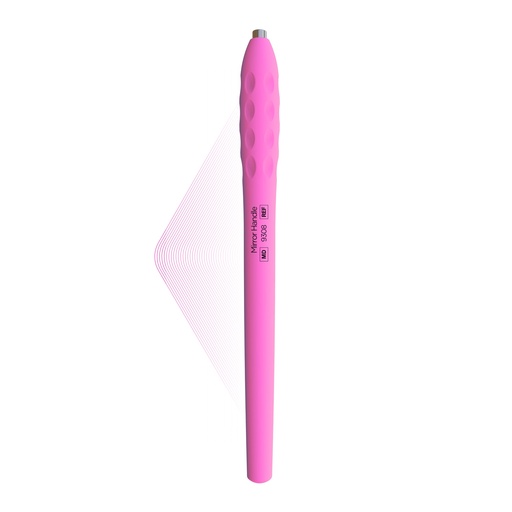
Mirror Handles
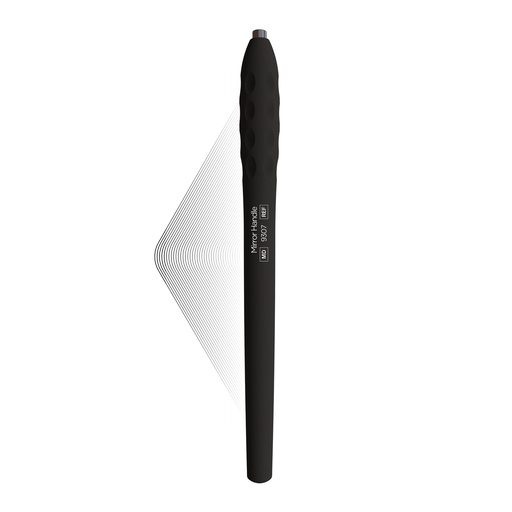
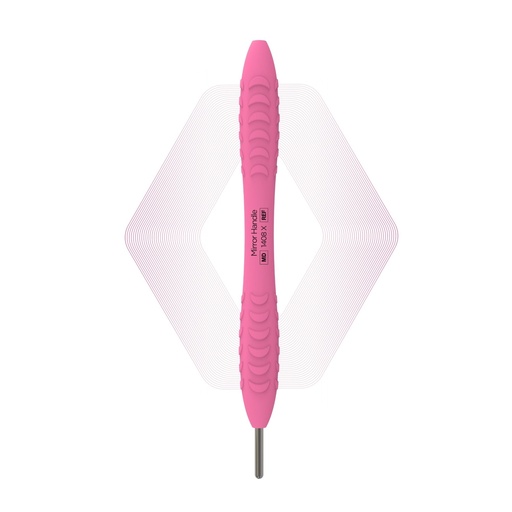
54 instrumentsErgoX®, ErgoX® Plus, ErgoLite and ErgoSteel handles, plus cone-socket handles, in up to 15 colours.
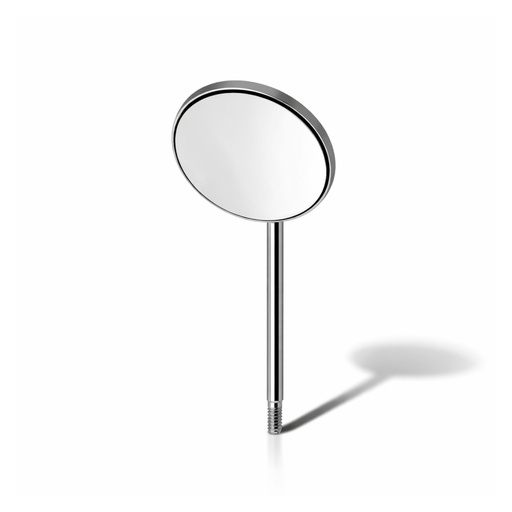
Explorers
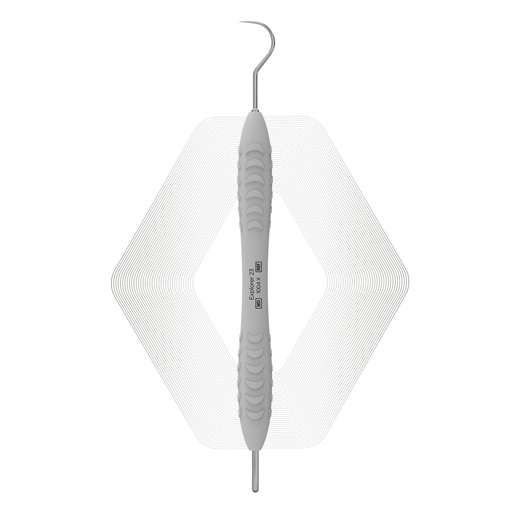
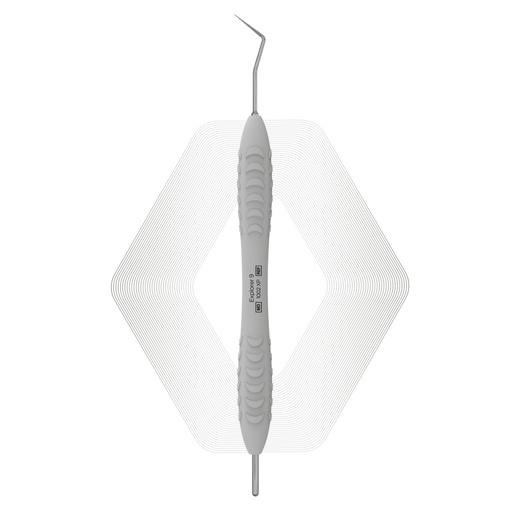
28 instrumentsShepherd’s hook No. 23, No. 9 and other explorer patterns for tactile detection.
Choose your grip
Same working end. Your choice of handle.
The same explorer tip feels different on a thin steel handle and on a wide ergonomic grip. Pick the handle that suits your hand — the working end stays the same. Below: the same Explorer 23 on each of them.
ErgoSteel
ErgoX®
ErgoX® Plus

Our original ergonomic handle: balanced and comfortable for everyday use, in 15 colours for colour-coding.
Explore ErgoX® →
Stable grip, reduced pinch force and less fatigue: ergonomic comfort for long sessions.
Explore ErgoX® Plus →
Classic knurled hollow steel for maximum tactile feedback, in S, SS and SP diameters.
Explore ErgoSteel →ErgoLite — colour-coded and economical
Our best-selling mirror handles and examination instruments on the economical ErgoLite handle, in bright colours for easy tray set-up.
Discover ErgoLite →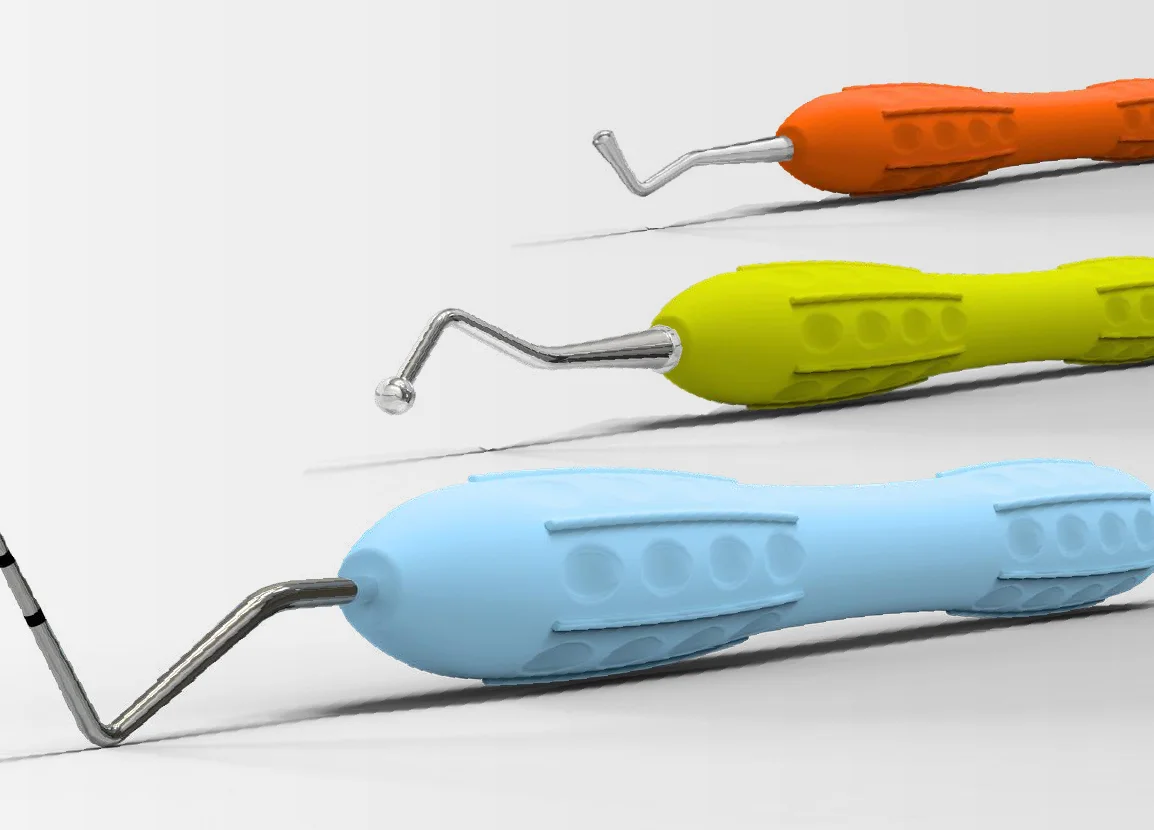
Learn more
Diagnostic instrument guides
Practical, chairside guides from the ErgoDenta blog — patterns, technique and how to choose.
- Dental Mirrors & Explorers — Types, Sizes and Numbers Explained
- Mouth Mirrors Compared — Plain, Front-Surface, HD
- Best Ergonomic Dental Mirror Handles
- ErgoX® Mirror Handles in 15 Colours
- Periodontal Probes Guide
- WHO Probe Explained — BPE Scores
- Inside the Perio Diagnostic Kit
- What Are the Basic Dental Instruments?
- 29 Basic Dental Instruments Explained
- Dental Instruments Names List (PDF)
Questions
Diagnostic Instruments — FAQ
What are the 4 basic dental instruments?
The mouth mirror, the explorer, the periodontal probe and the college tweezer (cotton pliers). Together they form the basic examination set used at every visit. Mirrors & explorers guide →
What are the different types of dental mirrors?
Plain (rear-surface) mirrors, front-surface mirrors that give a sharp image without ghosting, HD mirrors with a brighter coating, and micro mirrors for endodontics and microscope work. Mirrors & explorers guide →
What size mouth mirror is most common?
No. 4 is the standard everyday size. No. 5 is larger for more retraction and a wider view; No. 3 is smaller for children and tight areas. Mirrors & explorers guide →
What are the types of dental explorers?
The most common is the No. 23 shepherd's hook for caries and margins. The No. 17 and 2A pigtail reach interproximal surfaces, and the long 3A is used for subgingival calculus. Double-ended explorers combine two patterns. Mirrors & explorers guide →
What is the difference between a plain and a front-surface mouth mirror?
On a plain mirror the reflective layer sits behind the glass, which can create a faint double image. A front-surface mirror has the coating on top of the glass, giving a single, sharper image — useful for detailed work. Mirrors & explorers guide →
What is the difference between an explorer and a periodontal probe?
An explorer has a sharp tip for feeling calculus, caries margins and restoration edges. A periodontal probe has a blunt, marked tip for measuring pocket depth in millimetres.
Which probe should I use for periodontal screening?
The WHO (CPI/BPE) probe with a 0.5 mm ball end is the standard for screening. For full six-point charting, most clinicians use a UNC-15 or CP-12 probe.
Do mirror handles fit all mirror heads?
Most mouth mirrors use a standard thread. Cone-socket handles need cone-socket mirror heads, so check the fitting when you combine handles and mirrors. Mirrors & explorers guide →
Setting up examination trays for a new clinic?
Tell us how many operatories you run — we will suggest a mirror, handle and explorer set-up, colour-coded by room or clinician.
Contact our teamFind a local distributor