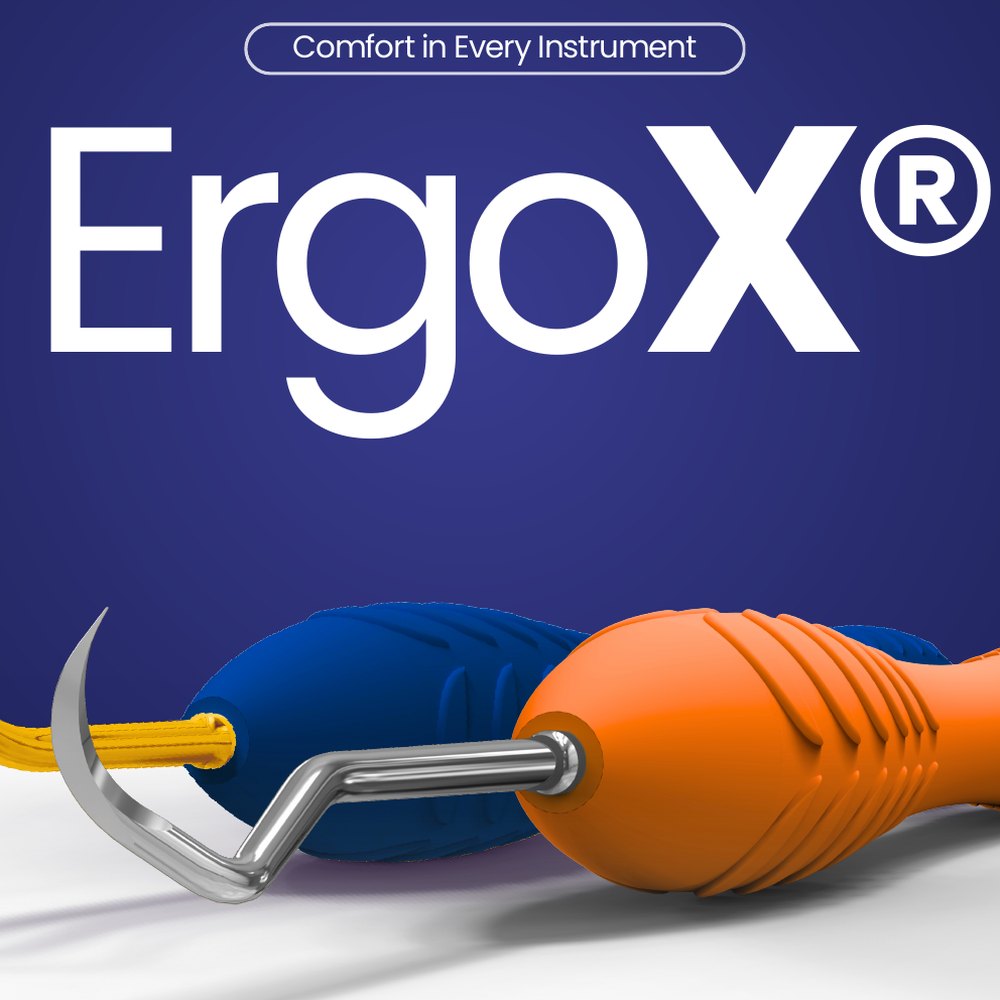
02 · Restoration · ErgoDenta catalog 2026
Restorative Instruments
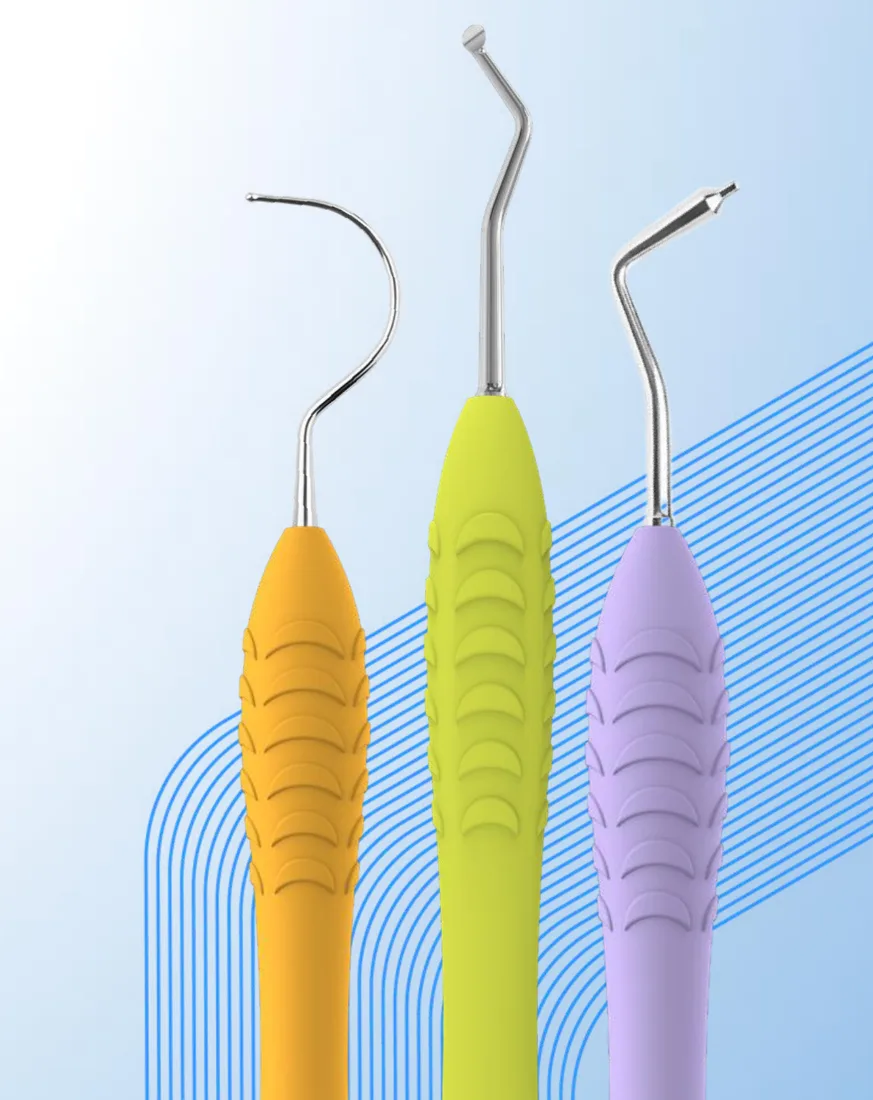
Instruments for restorative material placement, adaptation, contouring and finishing — from excavators and spatulas to pluggers, burnishers and complete kits, with ergonomic handles to suit your workflow.
 ↓
↓
The restorative workflow
The right instrument for every step
A good restoration is built step by step — isolate, prepare, place, shape and finish. Each step needs a different working end.
- 01Isolate
Rubber dam
Punch, clamp and place the dam for a dry, clean working field.
- 02Prepare
Remove caries
Round and spoon excavators remove soft dentine; margin trimmers refine the cavity walls.
- 03Place
Place & condense
Filling instruments, spatulas and pluggers carry and adapt composite — against a matrix where the wall is missing.
- 04Shape
Carve & burnish
Carvers and burnishers create anatomy and a smooth, well-adapted surface.
- 05Crowns
Crown & bridge
Cord packers prepare the margin for impressions; removers and spreaders take crowns off safely.
Shop by instrument type
Restorative instrument categories
Stainless steel, ErgoSlip non-stick and economical ErgoLite versions of the patterns you use every day.
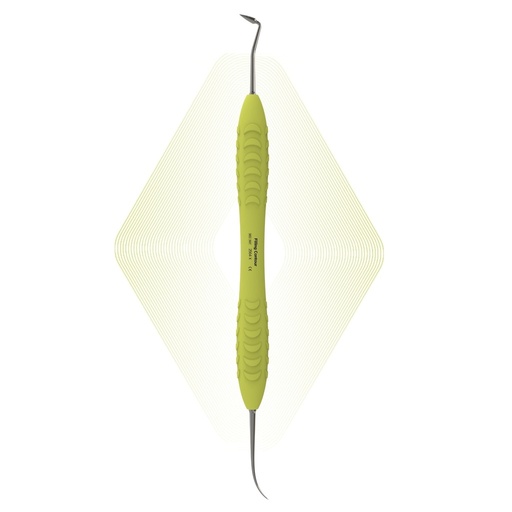
Composite & Filling Instruments
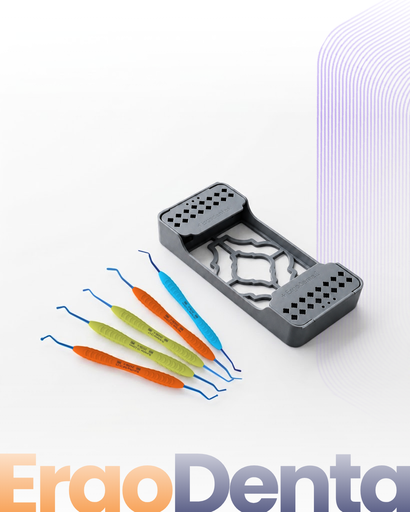
141 instrumentsFilling instruments, spatulas, pluggers, burnishers, carvers and cord packers.
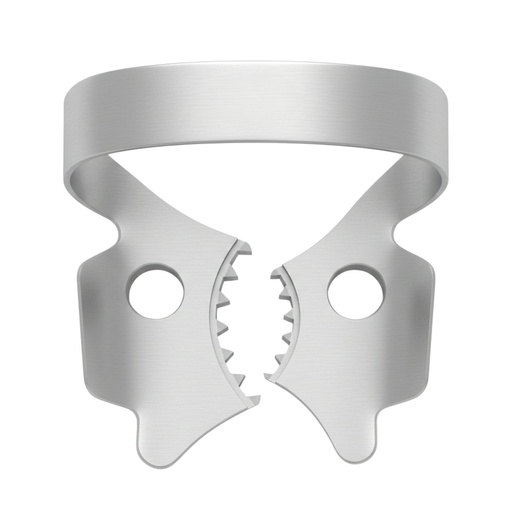
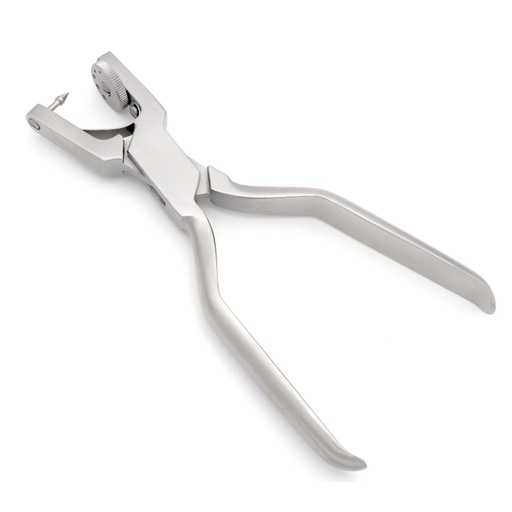
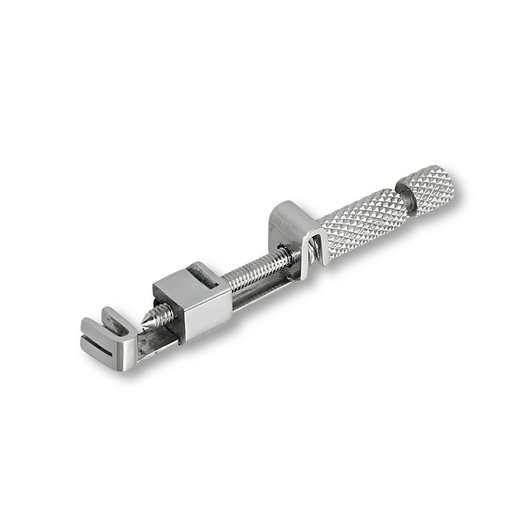
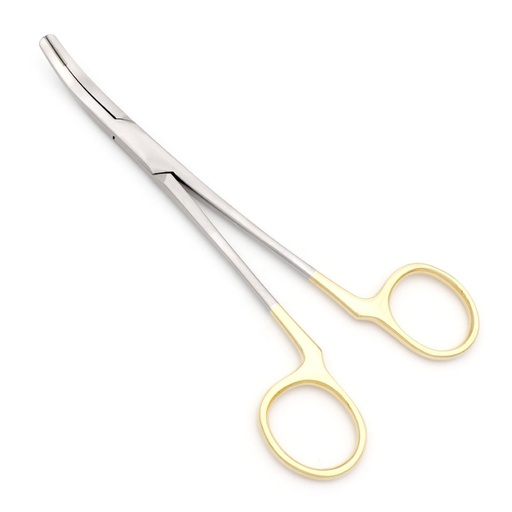
Choose your grip
Same working end. Your choice of handle.
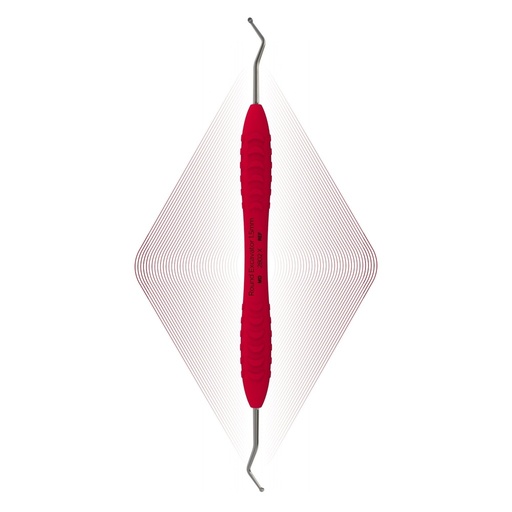
Restorative work needs control at small scale. A wider, lighter handle needs less pinch force — so our restorative patterns come on several handles. Below: the same Round Excavator 1.5 mm on each of them.
ErgoSteel
ErgoX® · ErgoLite
ErgoX® Plus

Our original ergonomic handle: balanced and comfortable for everyday use, in 15 colours for colour-coding.
Explore ErgoX® →
Stable grip, reduced pinch force and less fatigue: ergonomic comfort for long sessions.
Explore ErgoX® Plus →
A practical, economical handle option for everyday clinical work, in bright colours.
Explore ErgoLite →
Classic knurled hollow steel for maximum tactile feedback, in S, SS and SP diameters.
Explore ErgoSteel →ErgoSlip — smoother restorations, every time
Non-stick composite instruments with blue, gold and black coatings on ErgoX® and ErgoX® Plus handles. Composite stays on the tooth, not on the instrument.
Discover ErgoSlip →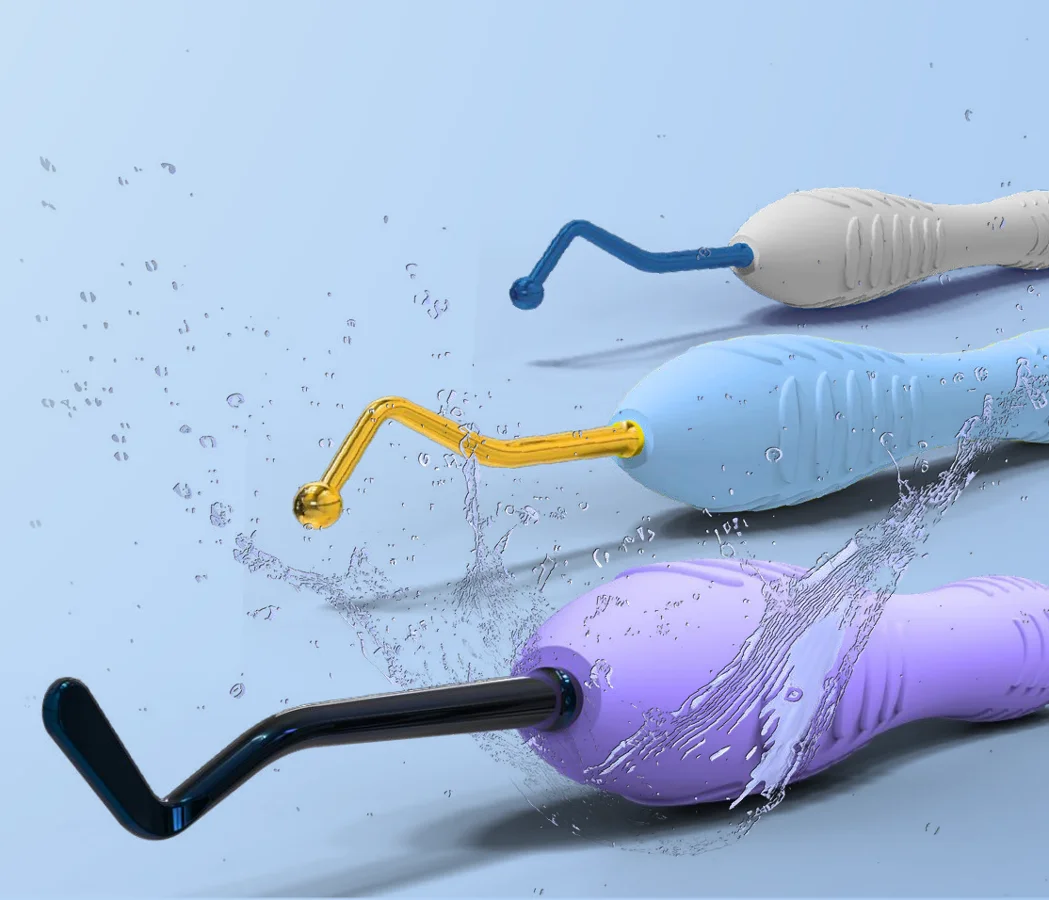
Most ordered
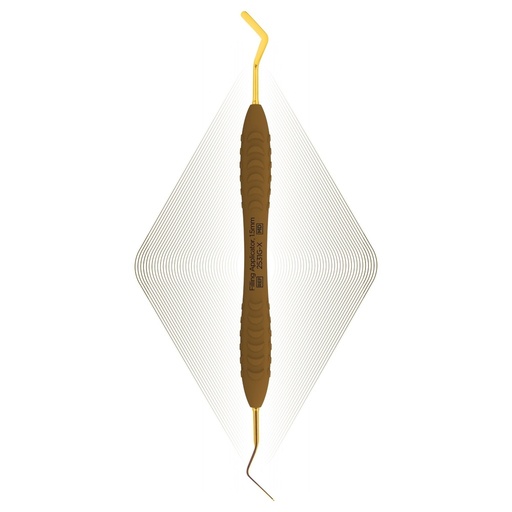
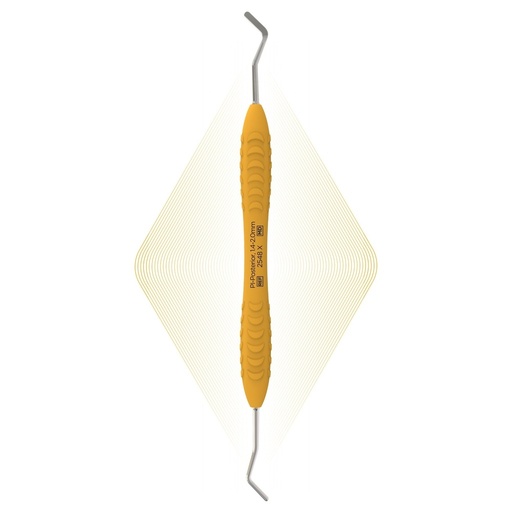
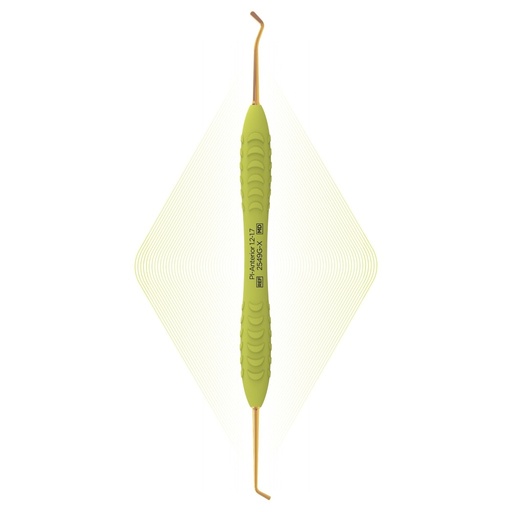
Best-selling restorative instruments

Learn more
Restorative instrument guides
Practical, chairside guides from the ErgoDenta blog — patterns, technique and how to choose.
- Restorative Dental Instruments — Hand Cutting Instruments, G.V. Black's Formula & Composite Instruments
- 15 Essential Restorative Instruments
- Composite Filling Instruments
- Composite Placement Instruments
- Dental Excavators Compared
- Gingival Margin Trimmers
- Rubber Dam Setup Explained
- Rubber Dam Clamp Numbers Decoded
- Rubber Dam Clamp Selection
- Tofflemire Matrix System
- Anterior Matrix Systems
- Carvers & Burnishers
- Amalgam Condensers Guide
- Gingival Cord Packers
- Crown & Bridge Removal Instruments
- Cement & Mixing Spatulas
- ErgoSlip Non-Stick Composite Instruments
- ErgoLite Filling Instruments
Questions
Restorative Instruments — FAQ
What instruments are used in restorative dentistry?
Isolation instruments (rubber dam), cutting instruments (excavators, chisels, hatchets, gingival margin trimmers), placing and shaping instruments (plastic filling instruments, composite spatulas, pluggers, burnishers, carvers) and matrix systems. Restorative instruments guide →
What are the hand cutting instruments in operative dentistry?
Excavators (spoon excavators, hatchets, hoes and angle formers) and chisels (straight, Wedelstaedt, binangle, enamel hatchets and gingival margin trimmers). Restorative instruments guide →
What is G.V. Black's instrument formula?
A number code on cutting instruments: blade width in tenths of a millimetre, blade length in millimetres and blade angle in centigrades. A 4-number code adds the cutting-edge angle as the second number. Restorative instruments guide →
What instrument is used to place composite?
A plastic filling instrument or composite spatula carries it into the cavity, a plugger packs it, and a burnisher or carver shapes it. Non-stick coated instruments keep the composite from sticking. Restorative instruments guide →
What are the essential instruments for composite restorations?
A typical composite set includes rubber dam instruments, a matrix system, an excavator, a filling instrument or spatula to place the material, anterior and posterior plastic instruments, a plugger or burnisher and a carver. The exact selection depends on the procedures you carry out.
Why use non-stick composite instruments?
Non-stick coatings reduce material pull-back when you place and shape composite, so the material stays where you put it. ErgoSlip instruments come with blue, gold and black non-stick coatings.
Which excavator size do I need?
Most general practices use round excavators around 1.0–2.0 mm for everyday caries removal and a larger spoon excavator for bulk removal and temporary material. Restorative instruments guide →
How do I choose a rubber dam clamp?
Clamps are designed for specific tooth groups — molar, premolar or anterior — and come winged or wingless. Choose by the tooth, its anatomy and the retention you need.
What is the difference between a plastic instrument and a composite spatula?
A plastic instrument has shaped ends to build and contour the restoration; a composite spatula is flatter and used to carry and smooth material. Many clinicians use both.
Building a restorative set for your clinic?
Tell us which materials and techniques you use — we will suggest instruments, coatings and handles, and send samples on request.
Contact our teamFind a local distributor